A child who has never seen clearly does not know that the world is supposed to look sharper. They will not complain. They adapt — they sit closer, they squint, they lose interest in reading. That is why children’s vision problems are so often picked up late, and usually by a parent noticing behaviour rather than by the child asking for help.
What to watch for
- Sitting very close to the television, or holding a book or tablet unusually near the face
- Squinting, or tilting the head to one side to look at something
- Rubbing the eyes frequently, especially after school or homework
- Covering or closing one eye to focus
- Complaining of headaches, particularly in the late afternoon
- Losing their place while reading, or using a finger to track lines
- Avoiding reading, drawing or other close work they used to enjoy
- An eye that drifts inward or outward, even occasionally
- A drop in school performance that no one can explain
Any one of these on its own may mean nothing. Two or three together are worth a check.
When should the first eye test happen?
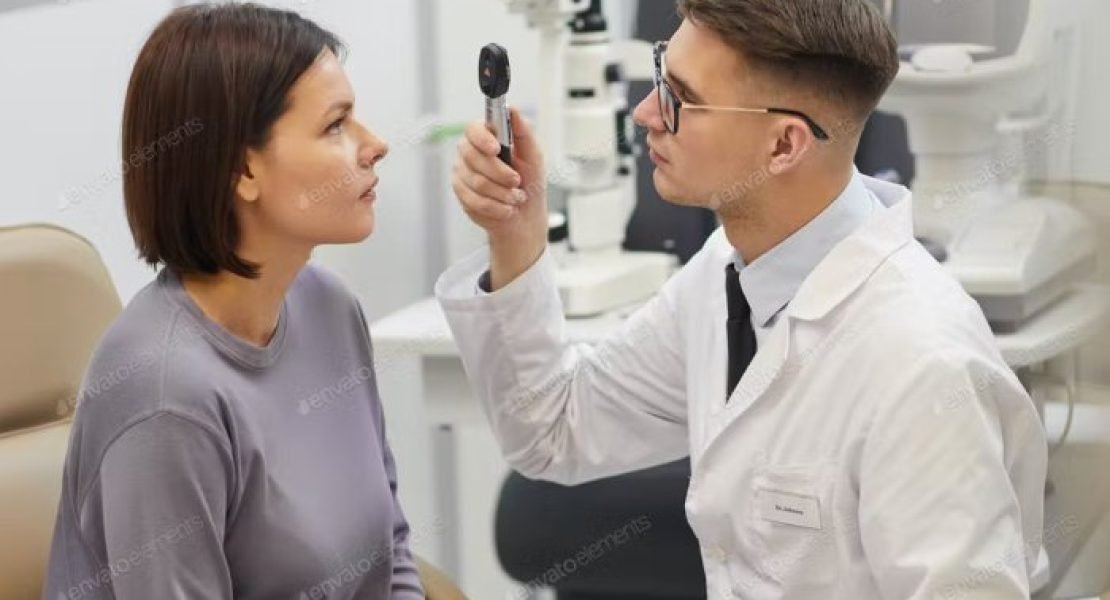
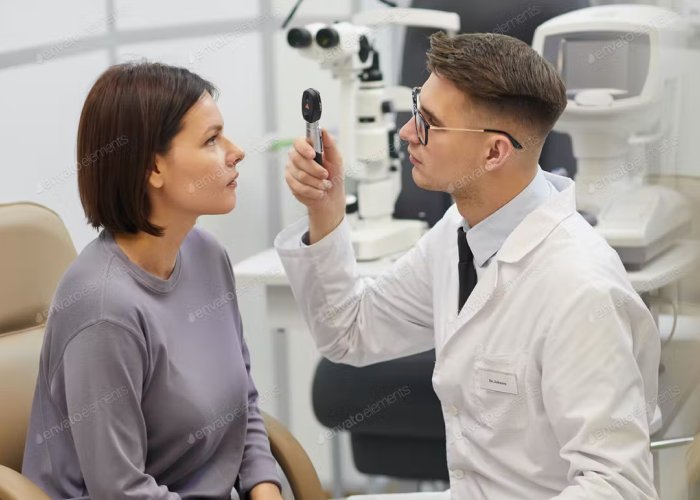
General guidance is a check in the pre-school years, around age three to four, and again before starting school. After that, once every one to two years is reasonable for a child with no known problem, and every year for a child who already wears glasses — because prescriptions in growing children change faster than in adults.
If there is a family history of squint, high power or lazy eye, get the first check earlier and do not wait for symptoms.
Why early matters: amblyopia
Amblyopia, or lazy eye, happens when one eye sends a weaker image to the brain and the brain gradually starts ignoring it. Treated early — usually with glasses, sometimes with patching — vision in that eye can be brought back. Left until the teenage years, the window narrows considerably. This single fact is the main reason paediatric eye checks are worth the trip.
Screens and myopia
Short-sightedness in children has been rising, and prolonged near work is part of the picture. Two habits genuinely help:
- The 20-20-20 rule. Every 20 minutes of near work, look at something about 20 feet away for 20 seconds.
- Outdoor time. Roughly an hour or two of daylight a day is associated with slower progression of myopia. It appears to be the daylight itself, not the activity.
Choosing frames for a child
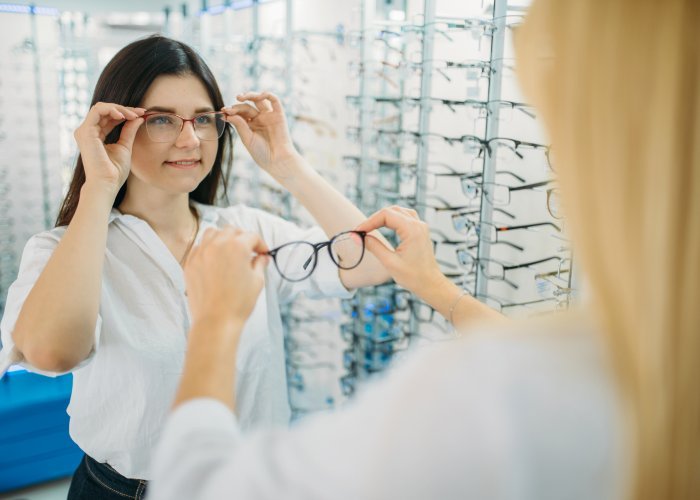
Comfort decides whether the glasses stay on the face or live in the school bag. Look for a light, flexible frame, spring hinges that survive being sat on, a fit that does not slide down the nose, and — importantly — a frame the child actually likes. A child who chose their own frame wears it.
For younger children, polycarbonate lenses are the sensible default: they are impact-resistant and lighter than standard plastic.
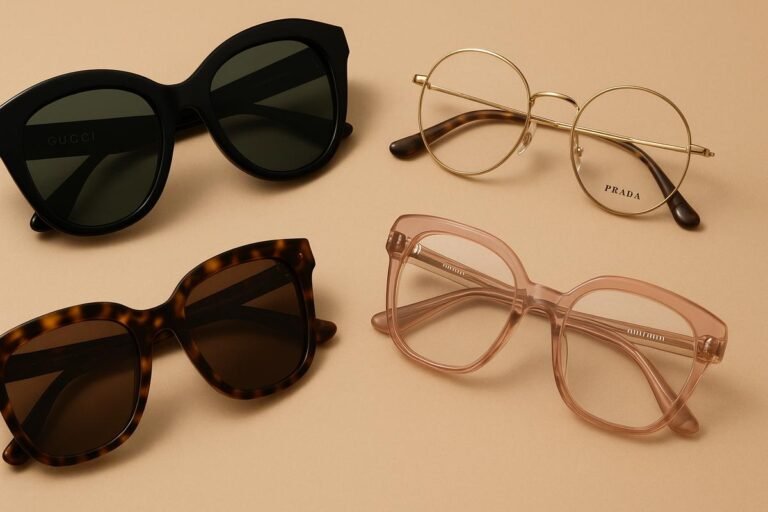
Sunglasses for children are not a gimmick
A child’s crystalline lens is clearer than an adult’s, so more UV reaches the retina. Cumulative exposure starts early. A UV400 pair for outdoor play is genuinely protective, not just a fashion accessory.
Bring them in
We stock a dedicated kids’ range and we take the time children’s eyes need. Roop Eye Care, 6, Ravindra Path, B Block, Sri Ganganagar — open daily 9:30 AM to 9:30 PM. Call or WhatsApp us on +91 92642 64242 to plan a quieter time of day if your child finds a busy shop overwhelming.
This article is general information and is not a substitute for an examination by a qualified optometrist or ophthalmologist.